

In the construction industry, safety is not just a priority—it’s a fundamental necessity. Managing a construction project involves juggling various aspects, such as timelines and budget constraints, but nothing is more crucial than ensuring the safety of the workforce. Strong safety protocols can determine whether a project runs smoothly or faces accidents, delays, and increased costs. Let’s explore why safety protocols should be at the forefront of every construction manager’s agenda.
1. Protecting Workers’ Health and Lives
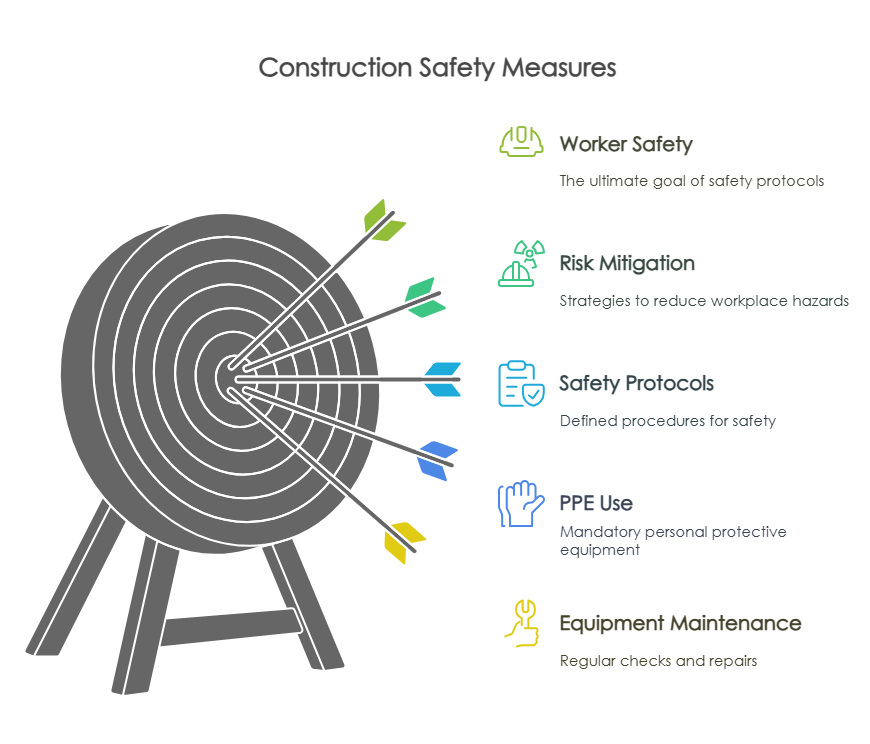
The construction sector is inherently dangerous, with workers facing hazards like heavy machinery, heights, falling objects, and hazardous materials. By implementing well-defined safety protocols, construction managers can mitigate risks and safeguard workers’ health and lives. Measures such as wearing personal protective equipment (PPE), conducting safety drills, and regularly maintaining equipment help reduce accidents and fatalities.
Example:
The Occupational Safety and Health Administration (OSHA) mandates that construction sites adhere to strict safety regulations. Failure to follow these protocols can result in severe legal and financial penalties, along with human tragedy.
2. Boosting Project Efficiency and Reducing Downtime
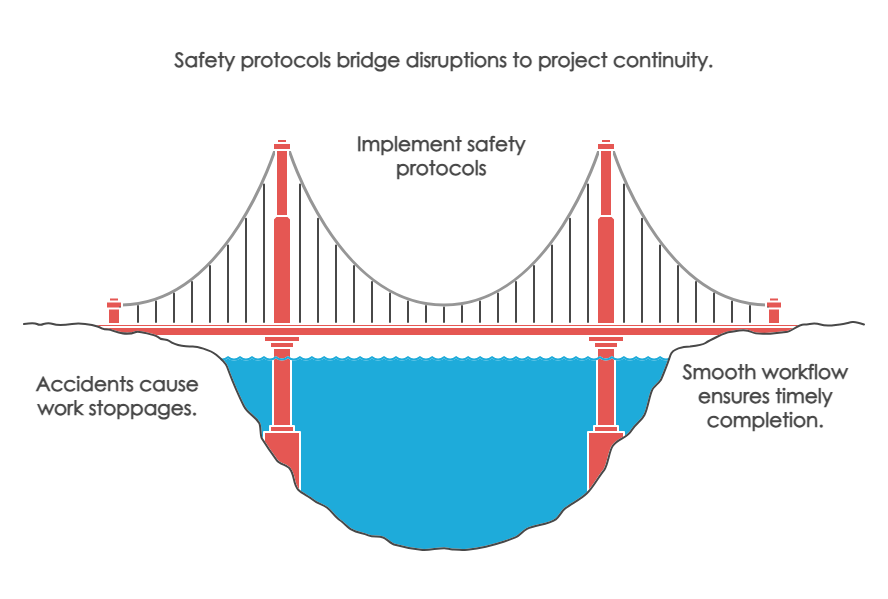
Accidents and safety incidents not only harm workers but also disrupt the flow of work. When an incident occurs, work stops for investigations, clean-up, and sometimes recovery. This downtime can delay the project, pushing deadlines back and increasing costs. Implementing comprehensive safety protocols minimises accidents, ensuring the project continues without unnecessary delays.
Example:
Regular site inspections and equipment checks can prevent accidents before they happen, helping to keep the project moving forward smoothly through practical safety implementation.
3. Compliance with Legal and Regulatory Requirements
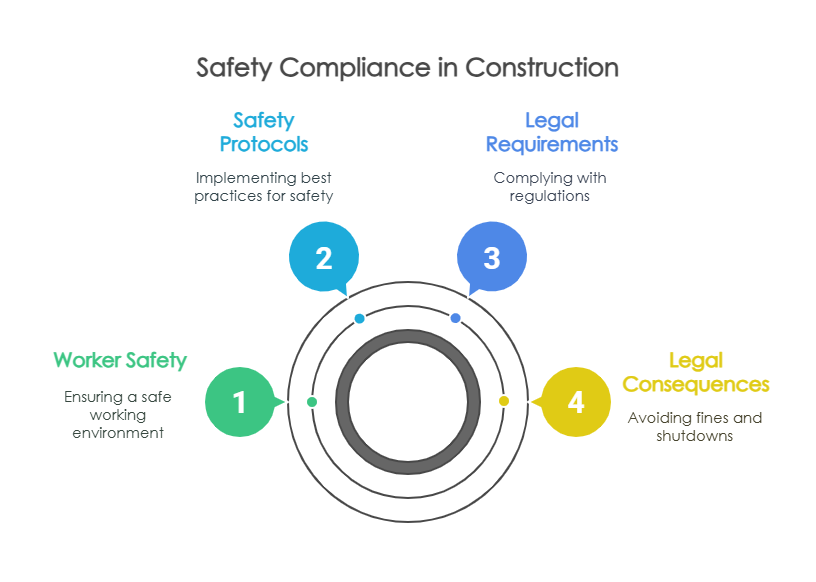
Safety protocols are not just best practices—they are legal requirements. Construction sites must comply with local, national, and international regulations. Project managers need to ensure that their sites meet OSHA or other relevant standards to avoid hefty fines, project delays, and potential shutdowns.
Example:
A construction company in California faced a ₹3 crore fine for failing to implement proper fall protection measures. Adhering to protocols could have prevented this costly mistake.
4. Enhancing Reputation and Building Trust
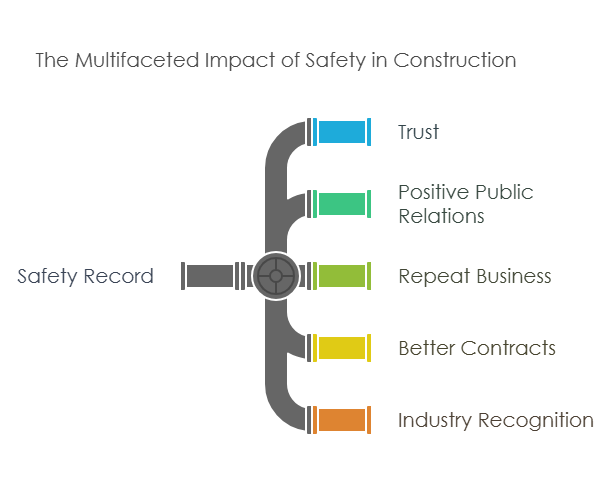
A construction company’s reputation is closely tied to its safety record. Clients and stakeholders are more likely to trust a company that maintains a safe work environment. Prioritising worker safety leads to positive public relations, builds trust, and can result in repeat business and better contracts in the future.
Example:
Companies that prioritise safety often earn industry certifications and recognition, which further strengthen their market position.
5. Reducing Insurance Costs
Construction companies pay significant premiums for worker compensation and general liability insurance. A poor safety record can cause these premiums to soar. On the other hand, by implementing strong safety measures and maintaining a low incident rate, construction managers can reduce insurance costs.
Example:
A company that actively enforces safety culture and training, conducts regular audits, and has fewer claims may qualify for reduced insurance premiums, saving significant overhead costs over time.

6. Cultivating a Positive Work Culture
Workers who feel safe and protected tend to be more productive and committed to their work. When a company shows it cares about its employees’ well-being, it fosters a positive work culture. This, in turn, reduces turnover and improves overall job satisfaction.
Example:
Safety incentive programs, where workers are rewarded for maintaining safe work practices, can boost morale and contribute to a positive work environment.

7. Preventing Project Delays and Budget Overruns
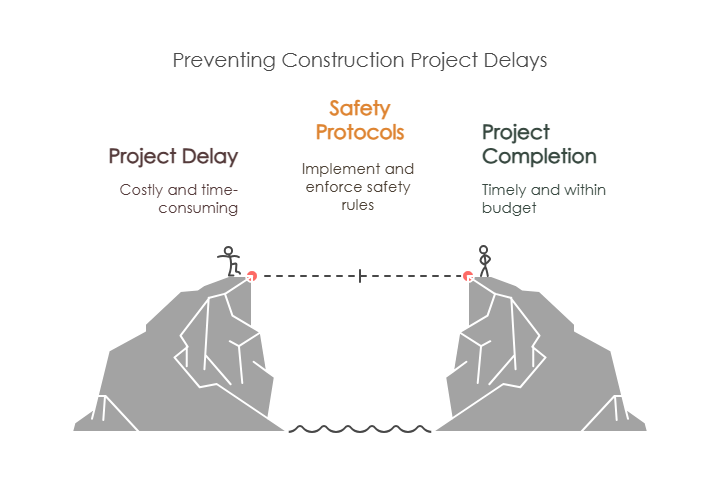
Accidents on-site often lead to delays, additional costs for investigations, potential litigation, and project rework. By following safety protocols, construction managers can prevent unexpected delays and budget overruns, ensuring the project stays on track and within budget.
Example:
A delay due to a construction site accident could result in penalties, pushing the project over budget. Proper safety planning can help avoid these issues.
Conclusion: Safety as a Core Pillar of Success
The importance of safety protocols in construction project management cannot be overstated. They protect workers, enhance project efficiency, ensure compliance with legal standards, and contribute to the company’s reputation and financial stability. Construction managers who prioritize safety create an environment of trust, respect, and professionalism through effective coordinating safety responsibilities, ultimately leading to smoother, more successful projects.